Civil Rights & Social Justice - Page 2

Trending
On Dec. 16, a statue honoring Barbara Rose Johns—a Black teenager whose courage reshaped American education—was unveiled in the U.S. Capitol. In 1951, Johns led a student walkout at her segregated Virginia high school, a bold act that helped dismantle school segregation nationwide. The unveiling marked a powerful shift in historical memory: her statue replaced […]

Trending
Rosa Parks’ brave refusal to give up her seat on Dec. 1, 1955, sparked the Montgomery Bus Boycott and changed history.

Viola Fletcher fought for justice for the Tulsa Race Massacre up until her death on Nov. 24. Here's why she is an icon.

Today marks what would have been George Floyds 52nd birthday. Read more about his legacy and how his life sparked a global movement.

As AI technology grows exponentially and data centers continue to be built, an AI Community Bill of Rights is not only warranted, but necessary.
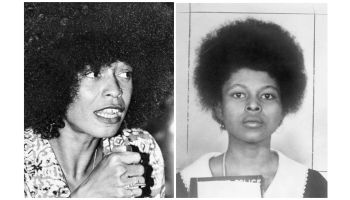
In an interview from 2013, Angela Davis and Lennox Hinds, Assata Shakur's attorney, discuss Assata being added to the FBI's Most Wanted list.

In 'The Perfect Neighbor,' Emmy-winning director Geeta Gandbhir exposes the harsh realities of "stand your ground" laws through the tragic shooting of Ajike "AJ" Owens by her white neighbor, Susan Lorincz.

Under the new law, Illinois law enforcement agencies must review and share an officer’s full job history, including any misconduct, when they apply for a new role.
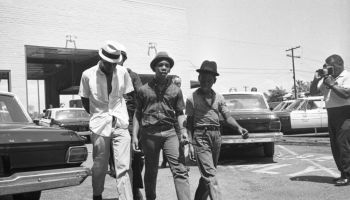
It began with a traffic stop and ended with six days of unrest, 34 lives lost, and a city in flames. On Aug. 11, the 60th anniversary of the Watts Riots, Sons and Brothers honored the day by reimagining the events through social media, connecting a historic uprising to a new generation.

After sunset, Black people had to be out of these hostile sundown towns. It was a matter of life and death in some instances.

NewsOne sat down with BLIS Collective co-founder Trevor Smith to discuss how his powerful action hub is advancing the fight for reparations in New York City.

She made it her mission to accurately document the terrorism of lynching in America.